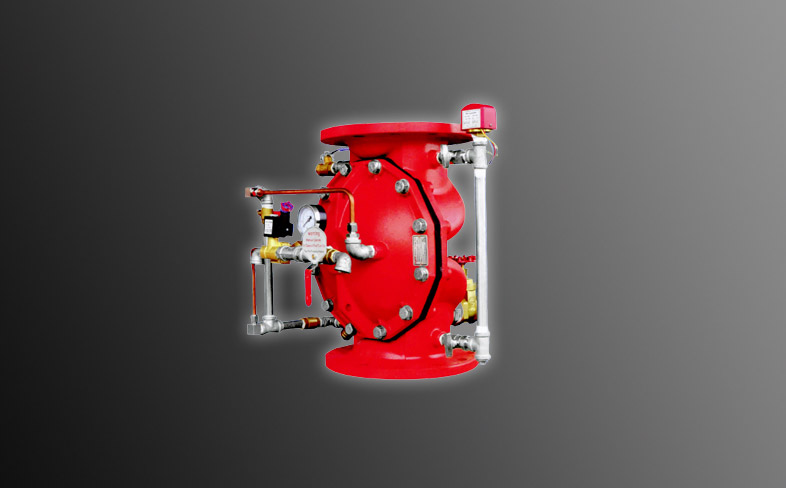
What is a Fire Suppression System?
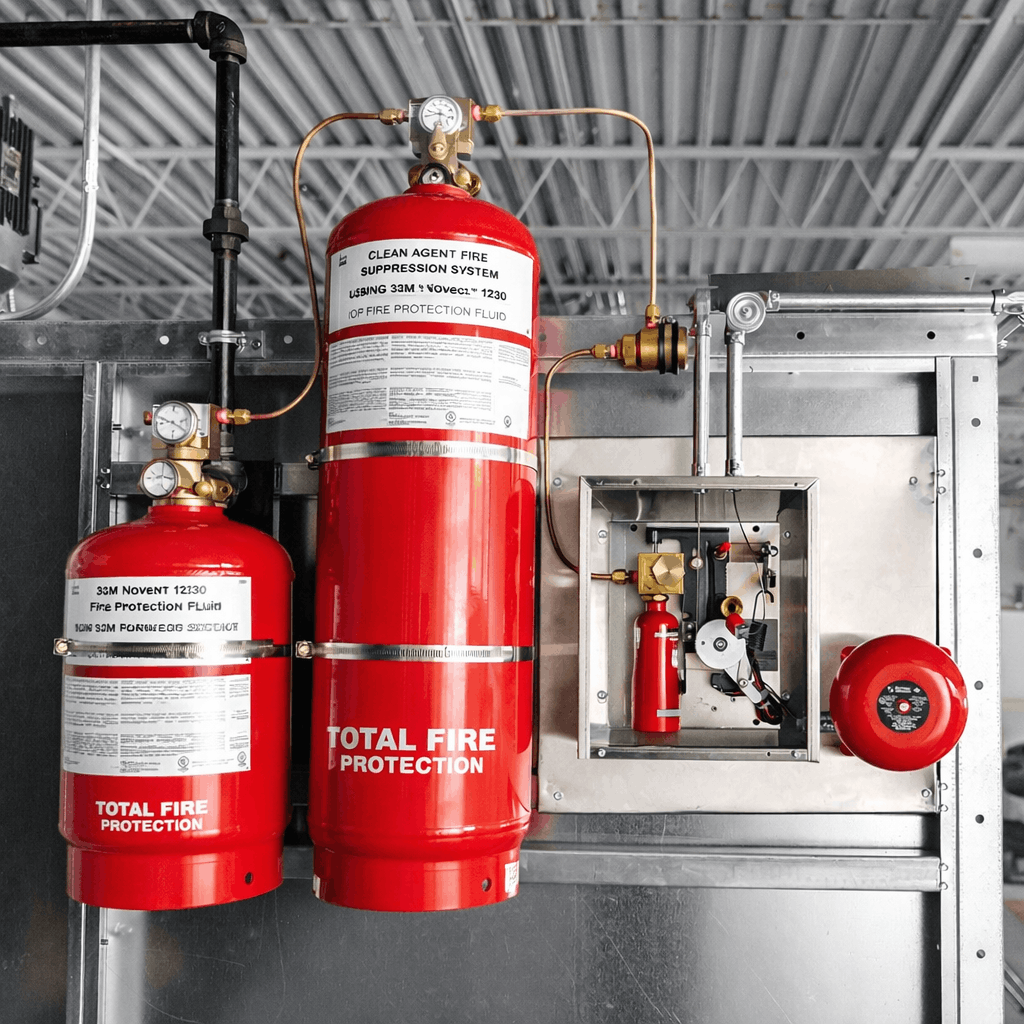
A fire suppression system is an engineered unit designed to automatically detect and extinguish fires in their earliest stages using specialized extinguishing agents such as clean agents (FM 200, Novec 1230), CO2, foam, dry chemicals, dry powders, water mist etc.
By integrating high-sensitivity fire detection with autonomous discharge mechanisms, fire suppression systems protect high-value assets in environments like data centers, commercial kitchens, and industrial facilities. These systems are engineered to displace oxygen, absorb heat, or chemically interrupt the combustion process, ensuring business continuity and life safety by controlling a blaze before it escalates into a catastrophic event.
How Fire Suppression Systems Work?
A fire suppression system works by the seamless integration of three core phases: detection, activation, and discharge. Strategically placed sensors continuously monitor for thermal energy, smoke, or infrared flame signatures. Upon identifying a threshold breach, the system triggers automatically to disrupt the Fire Triangle—fuel, oxygen, or heat. By deploying specialized agents, the system suppresses the fire through cooling, oxygen displacement (smothering), or by chemically inhibiting the combustion chain reaction.
Types of Fire Suppression Systems
Water-Based Systems:
Water based systems rely on water as the main fire extinguishing agent. Though conventional sprinkler systems are prevalent, more advanced water mist systems involve the use of fine droplets to quickly extinguish fires, requiring less water in the process. Such systems are ideal for use in regions where water damage must be controlled. Most used water based systems are water mist system, high-pressure mist system, pre-action sprinkler system, deluge system and dry pipe system.
Gaseous Suppression Systems:
Gas based systems emit inert gas, clean agent or chemical gases that can extinguish Class A, B and C fires without leaving any residue behind. Such fire suppression systems are most suitable for use in data centers, control rooms, electrical rooms, and archive rooms where water and foam can cause substantial damage. Some commonly used gas based systems are FM-200, Novec 1230, Inergen, CO2 (Carbon Dioxide), Inert gas system and other halon replacement systems.
Chemical Suppression Systems:
The dry and wet chemical systems are designed to combat different types of hazards. The wet chemical system is commonly employed in commercial kitchens to extinguish grease fires by a process called saponification. Wet chemical fire suppression agents primarily consist of aqueous solutions of alkaline salts, such as potassium acetate, potassium carbonate, or potassium citrate. The dry chemical system is used to combat flammable liquids and electric fires by interrupting chemical chain reactions. Dry chemical fire suppression agents primarily consist of mono-ammonium phosphate, sodium bicarbonate, and potassium bicarbonate.
Foam Suppression Systems:
Foam systems are mostly used in areas where flammable liquids are involved. The foam acts as a blanket over the fuel surface, thus not allowing oxygen to reach the fuel to ignite the fuel. Some foam based systems are AFFF (Aqueous Film Forming Foam) and foam flooding.
Local and Specialized Systems:
There are systems designed for the protection of certain equipment and enclosed spaces. These are used for targeted suppression, typically for machinery, engine compartments of vehicles, and electrical enclosures. Some specialized systems include Aerosol fire suppression, oxygen reduction system, pneumatic heat detection tube (for electrical panels).
Fire Suppression Systems and Sprinkler Systems
While often confused with standard fire sprinkler systems, fire suppression systems serve a distinct purpose. Traditional sprinklers rely on water to protect the physical structure of a building. In contrast, fire suppression systems utilize specialized agents such as gases, chemicals, or foams to extinguish fires. This makes them the ideal choice for environments where water would be ineffective or capable of causing irreparable damage to sensitive equipment.
Uses of Fire Suppression Systems
From manufacturing plants and oil refineries to data centers and museums, fire suppression systems are a critical safety standard across diverse industries. Often mandated by building codes based on occupancy type, these systems provide more than just compliance. They offer rapid, automatic response capabilities that contain fires in their early stages—minimizing damage, protecting valuable assets, and, most importantly, safeguarding lives.
Protect your property from fire with Total Fire Protection
Total Fire Protection is a trusted fire protection company in Qatar that provides reliable fire protection systems designed to quickly control and extinguish fires in high risk environments. Total Fire Protection offers customized fire safety solutions including gas, foam, deluge system, fire hydrants, FM 200 Suppression, kitchen hood suppression, fire pumps and chemical suppression systems, ensuring compliance with safety standards of Qatar Civil Defence Department. From design to installation and maintenance, Total Fire Protection delivers dependable fire protection solutions tailored to each project.
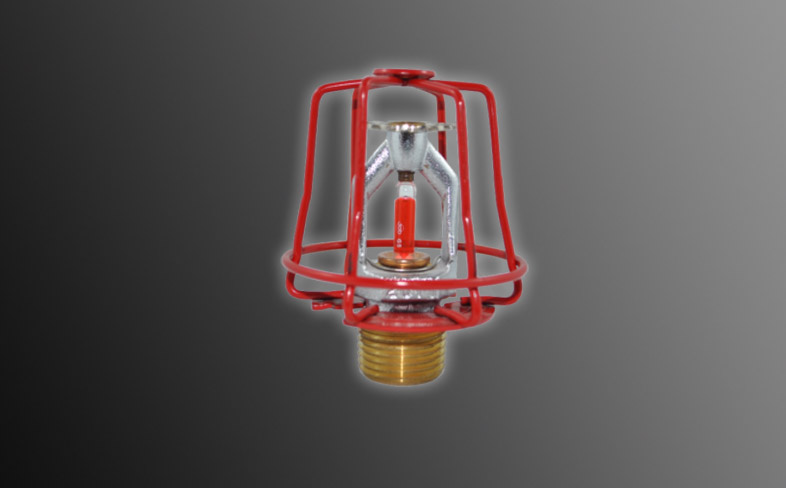
Fire Sprinkler
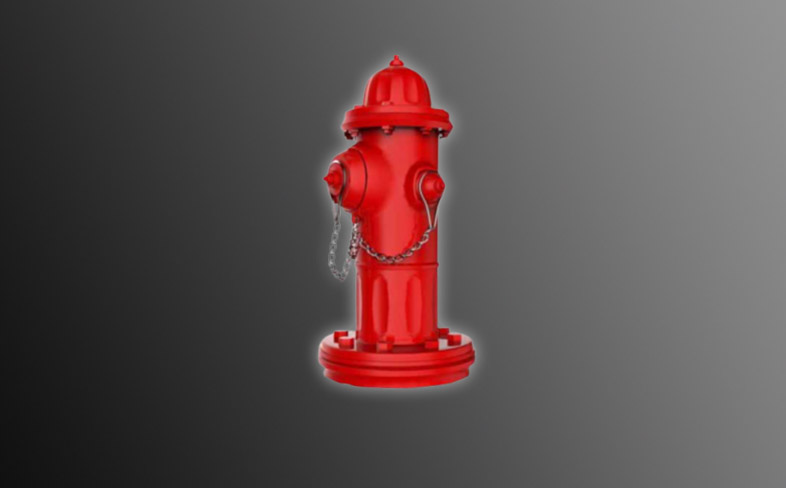
Fire Hydrant
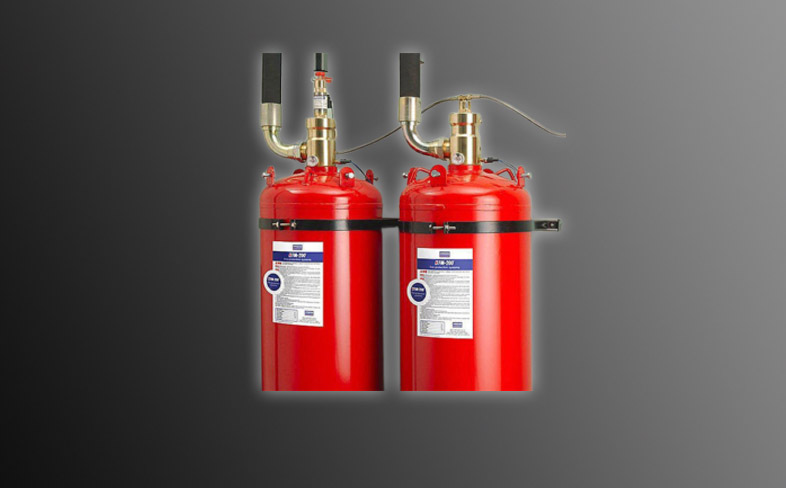
FM 200 Suppression
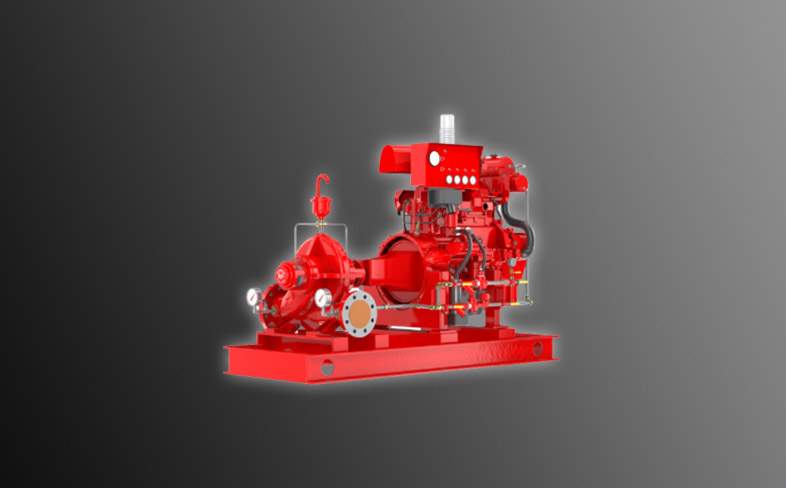
Fire Pumps
A fire pump is the major part of a fire firefighting system. Commonly, it comes as a set of pumps which includes Diesel pump, Electrical Pump and a Jockey Pump and is powered by electric or diesel. We Provides Installation of fire pump in Qatar.
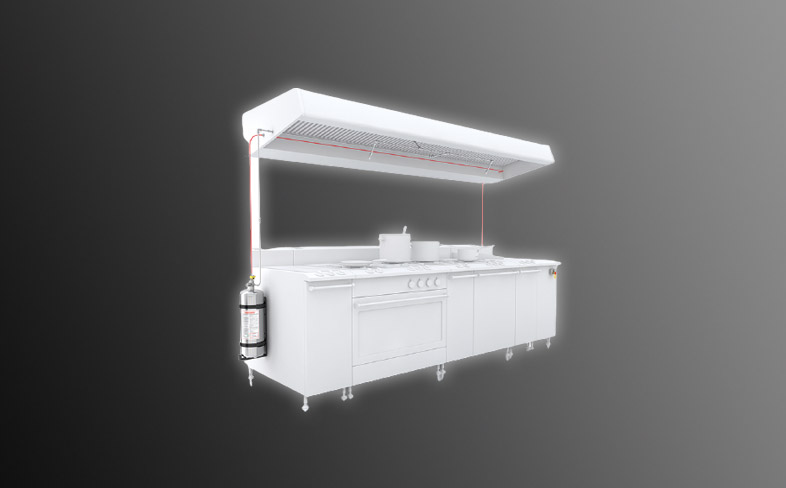
Kitchen Hood Suppression
Kitchen fire suppression systems are to protect a wide variety of kitchen appliances, such as stoves or deep fat fryers. We are install any type of kitchen fire suppression system in Doha.